Nine times out of ten, one of the first results when looking someone up on Google is their LinkedIn profile. Whether it’s a journalist researching a spokesperson before an interview, a prospective customer wanting to know who’s behind a business or a potential employee looking into the leadership team, LinkedIn has become one of the first places people turn to.
In PR, it genuinely breaks our hearts when CEOs or company spokespeople don’t keep their profiles up to date. We spend so much time helping businesses build credibility, secure media opportunities and position their experts as trusted voices in their industry, only for someone to click on their LinkedIn profile and find an outdated job title, no recent activity, or, even worse, the infamous grey silhouette instead of a professional headshot.
They might seem like small details, but they’re often the first impression someone has of you, and more often than not, first impressions happen long before you’ve had the chance to introduce yourself.
Just as we in PR are expected to research the journalists we’re pitching to, journalists will almost always do their homework before agreeing to interview someone. They’ll search your name, check your background and try to get a feel for who you are and whether you’re the right person to comment on a particular topic. A well-maintained LinkedIn profile makes that process easy. It gives context, demonstrates experience and expertise and, perhaps most importantly, shows that you’re a real person who is actively involved in the industry you’re speaking about.
For too many executives, LinkedIn is still viewed as no more than an online resume or CV, as if it’s somewhere you only update when you change jobs and then forget about until the next career move. However, today it’s an extension of your professional reputation, and one that often works for you even when you’re not thinking about it.
The good news is that you don’t need to post every day or try to become a LinkedIn influencer if you don’t want to. In fact, that can often feel forced. What people truly like and want is authenticity. Sharing the occasional opinion on something happening in your industry, celebrating your team’s successes, reflecting on a lesson you’ve learned or commenting on a topic you genuinely know about can help showcase your expertise without feeling forced or promotional.
In no way are we saying to post your life story, but make sure you at least have:
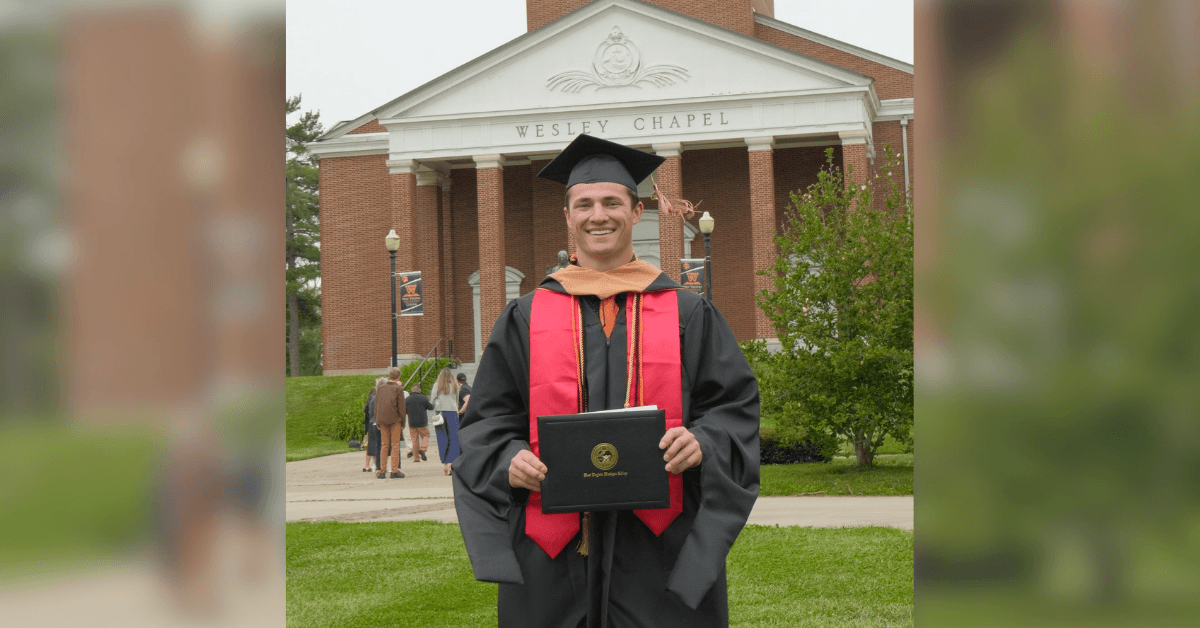
1. A recent professional headshot within the past year or so (bonus points if it’s not AI-generated as people can usually tell)
2. Your current job title clearly listed
3. A short 100–200-word summary of what you do in your role
4. A link to your company’s website
Beyond that, even a few likes, reposts, comments or the occasional self-written post show that you’re engaged with your industry rather than treating LinkedIn as a profile you created years ago and forgot about. Even if posting isn’t something that comes naturally, don’t overthink it. Just one meaningful interaction or post a week is more than enough to keep your profile feeling current.
It’s also worth remembering that LinkedIn isn’t just another marketing channel. Not every post needs to end with “Visit our website” or has to promote your latest product or service. Some of the best-performing posts are the ones that don’t mention your business at all. Instead, try to share an opinion on an industry issue or even just congratulate a peer on an achievement. Those kinds of interactions show genuine interest in your field and help people see the person behind the job title.
Ultimately, that’s what people connect with, and the type of people journalists want to speak with. Businesses don’t build relationships with journalists, customers or future employees, but people do! A journalist is far more likely to feel comfortable interviewing someone who already appears approachable and knowledgeable online than someone whose digital presence is little more than a name on a press release.
LinkedIn is the perfect opportunity to shape that first impression long before the first email, phone call or interview takes place. For CEOs and company spokespeople, it’s one of the simplest ways to support your PR efforts, strengthen your credibility and show that there’s a real person behind the company name.
If you need examples, we recommend taking a look at the following profiles:
- https://www.linkedin.com/in/yoramnovick/
- https://www.linkedin.com/in/david-primor-b2165582/
- https://www.linkedin.com/in/falc-borchard-2133bb201/
- https://www.linkedin.com/in/cummingsroger/
- https://www.linkedin.com/in/charlesfoley1/
- https://www.linkedin.com/in/rajanshanthi/